
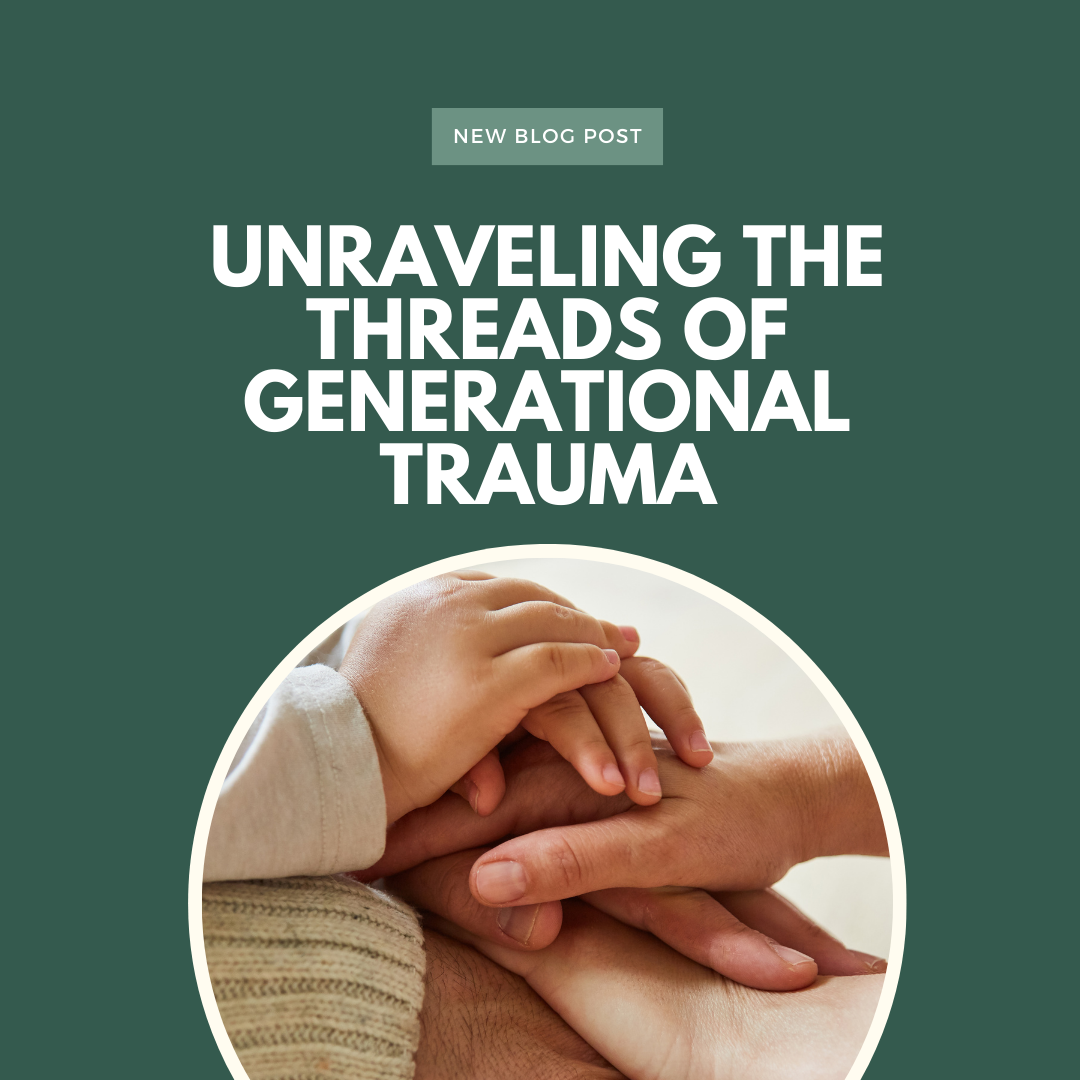
At The Wild Aura, we believe in exploring the depths of our subconscious to understand how past experiences shape our present lives. Recently, an article from National Geographic has shed light on an intriguing and crucial topic: generational trauma. Emerging science suggests that the effects of trauma could be genetically passed down from one generation to another, profoundly influencing our emotional and psychological well-being.
The Science of Generational Trauma
“If you feel you have been affected by a very traumatic, difficult, life-altering experience that your mother or father has had, there’s something to that,” says Rachel Yehuda, professor of psychiatry and neuroscience of trauma at Mount Sinai in New York. Her research points to a small epigenetic “signal” that a life-altering experience “doesn’t just die with you,” she says. “It has a life of its own afterwards in some form.”
This groundbreaking research suggests that trauma can leave a lasting imprint on our genes, potentially affecting not just those who directly experienced it, but also their descendants. This process, known as epigenetics, involves changes in gene expression that do not alter the DNA sequence itself but can be passed down to future generations.
How Trauma is Transmitted
Epigenetic changes occur when certain chemical groups are added to or removed from the DNA molecule, affecting how genes are turned on or off. These modifications can be triggered by various environmental factors, including stress and trauma. For instance, children of Holocaust survivors have been found to exhibit similar stress hormone profiles to their parents, despite not having lived through the traumatic events themselves.
Yehuda’s research, along with other studies, highlights how traumatic experiences can alter the way genes are expressed, influencing a range of psychological and physical health outcomes. This means that the fear, anxiety, and stress experienced by one generation can resonate through the lives of their children and grandchildren.
Insights from “It Didn’t Start With You”
Mark Wolynn’s book, “It Didn’t Start With You: How Inherited Family Trauma Shapes Who We Are and How to End the Cycle,” delves deeply into the concept of generational trauma. Wolynn provides compelling evidence and case studies showing how unresolved trauma can be passed down through generations. He argues that many of our chronic conditions, fears, and behaviors may be linked to the traumatic experiences of our ancestors.
In his book, Wolynn states, “The effects of trauma can echo through generations, often without us realizing the source of our pain.” He emphasizes the importance of recognizing and addressing these inherited traumas to break the cycle and heal.
The Impact of Generational Trauma
Understanding generational trauma is crucial for several reasons. It helps explain why certain patterns of behavior, emotional responses, and even health conditions can persist within families. Acknowledging this can be a powerful step towards healing, as it validates the experiences of those who feel the weight of their ancestors’ trauma.
At The Wild Aura, we recognize the importance of addressing these deep-seated issues. Our approach to intuitive energy healing and subconscious reprogramming aims to uncover and release the trapped emotional energies that may have been inherited from previous generations. By doing so, we help our clients break free from the cycles of pain and suffering that have been passed down through their family lines.
Moving Towards Healing
If you suspect that you are carrying the burdens of generational trauma, there are steps you can take to begin the healing process:
- Acknowledge and Validate: Recognize that your feelings and experiences are valid. Understanding that your struggles may be rooted in generational trauma can provide a sense of relief and clarity.
- Seek Professional Help: Working with a therapist or healer who specializes in trauma can provide valuable support and guidance.
- Practice Self-Care: Engage in activities that promote physical, emotional, and mental well-being. This can include mindfulness, meditation, and energy healing practices.
- Connect with Your Roots: Explore your family history and learn about the experiences of your ancestors. This can provide insight into the sources of your trauma and help you develop a deeper understanding of yourself.
Final Thoughts
The emerging science of generational trauma is a testament to the resilience and interconnectedness of the human spirit. As we continue to uncover the ways in which trauma is transmitted across generations, we also open the door to new possibilities for healing and transformation.
At The Wild Aura, we are committed to helping you navigate these complex emotional landscapes and empower you to create a life filled with joy, abundance, and well-being. One powerful method we use is muscle testing to identify ancestral limiting beliefs and trapped emotional energy still lingering within your DNA. I love ancestral healing sessions because we’re not only releasing this stored trauma from your body and energy field, but also from the energy fields of all past, present, and future generations. The ripple effect of ancestral healing is profound and transformative.
Leave a Reply